Outback Travel
STAYING SAFE
Safe Outback Travel
The Australian Outback offers spectacular scenery and the chance for great adventure. But it is important to be ready for the rigours of travelling in isolated areas.
Unfortunately, up to a quarter of the emergency medical evacuations that are carried out each year are the result of under-prepared travellers who get into trouble on their Outback adventure.
BEFORE YOU LEAVE
PREPARATION
Make sure you have good quality maps and plan your route.
Be careful of how much you pack on your roof rack; a heavy load on top increases the chances of a roll-over.
Store water in small containers instead of one large tank; check all water containers for leaks; if you’re unused to the Outback, you may need one litre of water every hour; if active (eg walking, climbing etc) you will need to consume additional water at regular intervals (remember: don’t wait to feel thirsty before taking a drink!); most towns have water but, at some places, you may not be able to get drinking water; we recommend that in very hot conditions you carry 10 litres of water per person per day; don’t rely on waterholes, dams, bores, mills, tanks or troughs; soap or detergents should not be used in any natural water course or stock watering point.
Carry enough food for each person for two days, bring matches or a lighter, and pack a fire extinguisher.
Make sure you have a summary of your medical history and bring all medication and repeat scripts with you.
And make sure you are familiar with first aid and pack a first aid kit
Take a hat, sunscreen and insect repellent. Wear clothing suitable for the climate; wear good walking shoes; take warmer clothes for the evenings.
Also try to avoid travelling in the hottest part of the year.
If you are an overseas visitor you are encouraged to take out adequate travel insurance when travelling in Outback Australia.
KEY DANGERS
KEY DANGERS
When traveling in rural Western Australia, it’s essential to be aware of the potential risks. The stunning landscapes may be inviting, but they can also present challenges. Prepare for your journey by ensuring you have adequate supplies, including water, food, and a first-aid kit.
Wildlife encounters, such as kangaroos and various bird species, can be thrilling but also require caution. Always stay alert while driving, especially at dawn and dusk when animals are more active. Whether you’re looking for adventure or a peaceful retreat, being prepared will help you enjoy the beauty of this region safely.
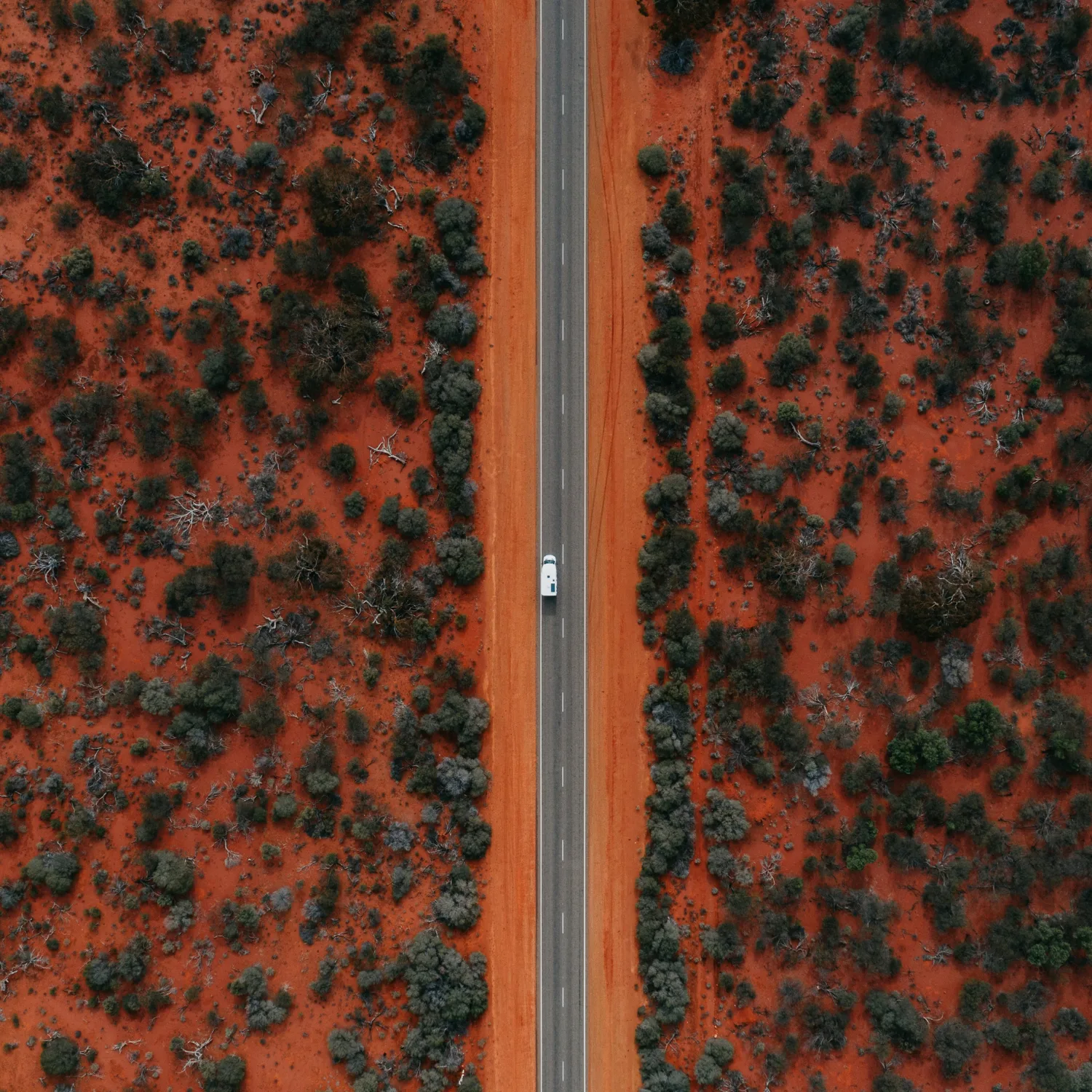
Driving long distances can cause driver fatigue; stop, revive, survive every two hours.
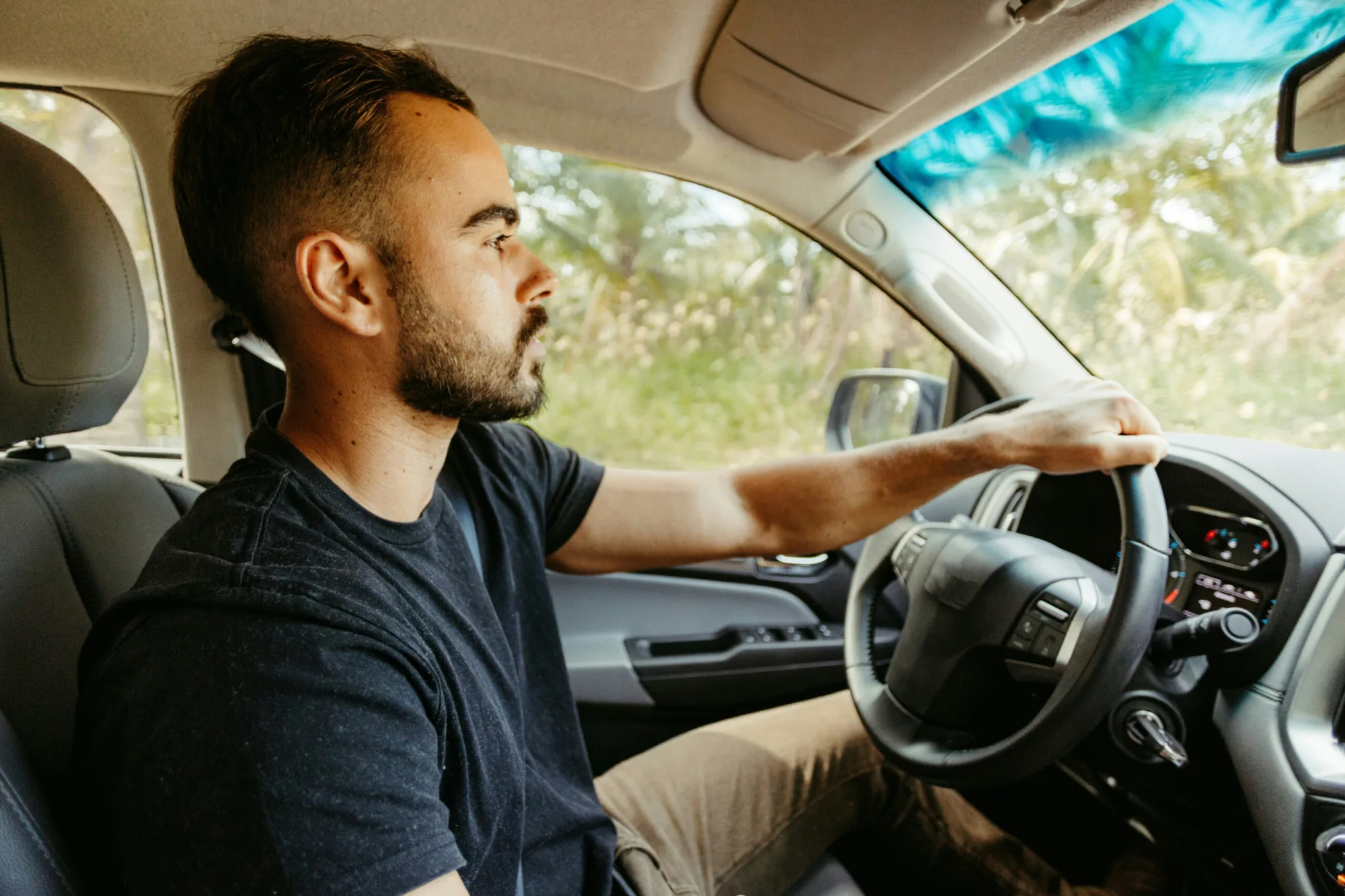
Speed limits vary from State to State; in some areas (the Northern Territory), this is no speed limit on open roads, but you must drive at a speed that allows you to stop safely
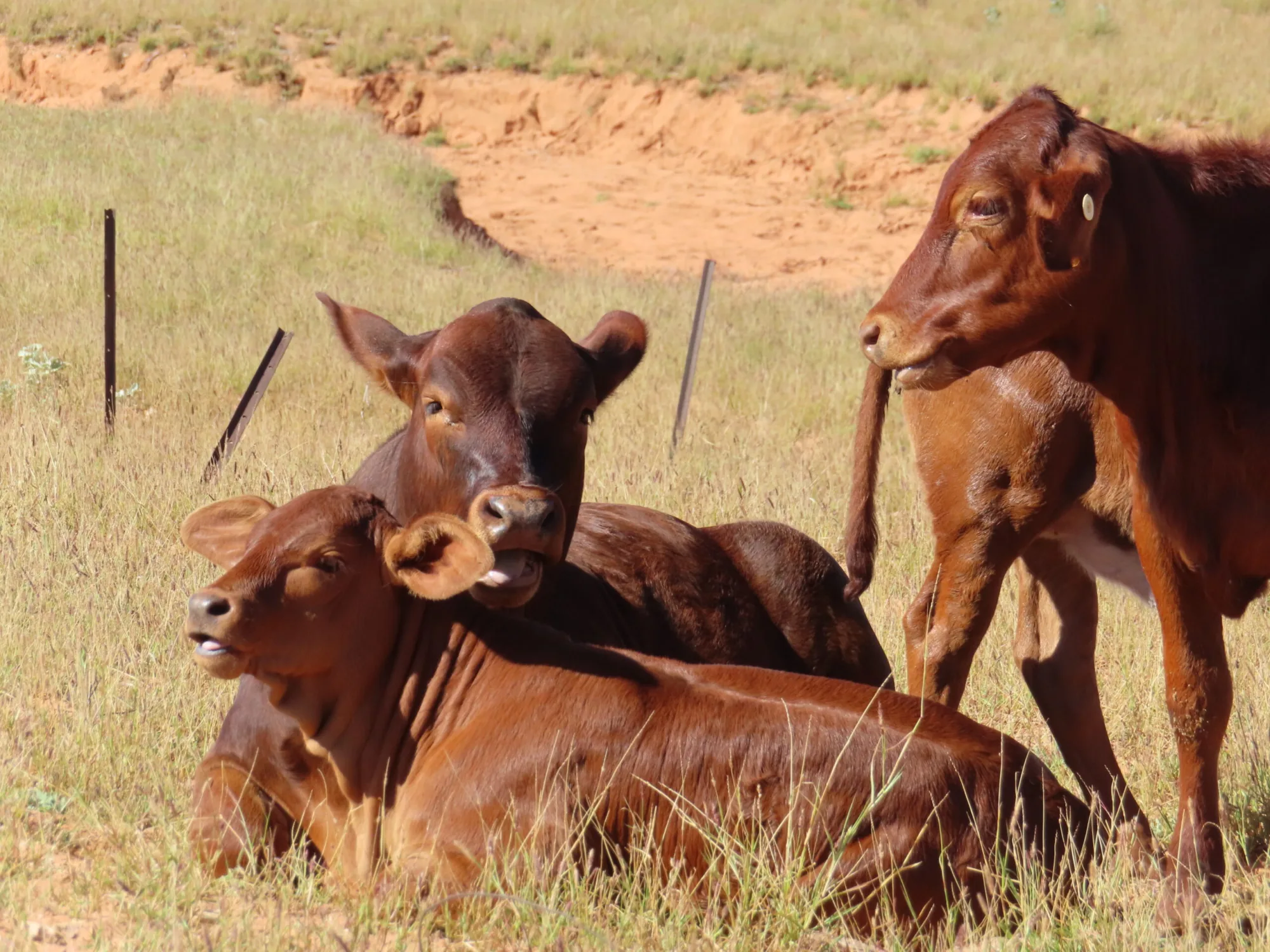
Stock and wildlife: beware of sheep, cattle, kangaroos, emus. Dawn, dusk and night driving are the most dangerous time to travel.
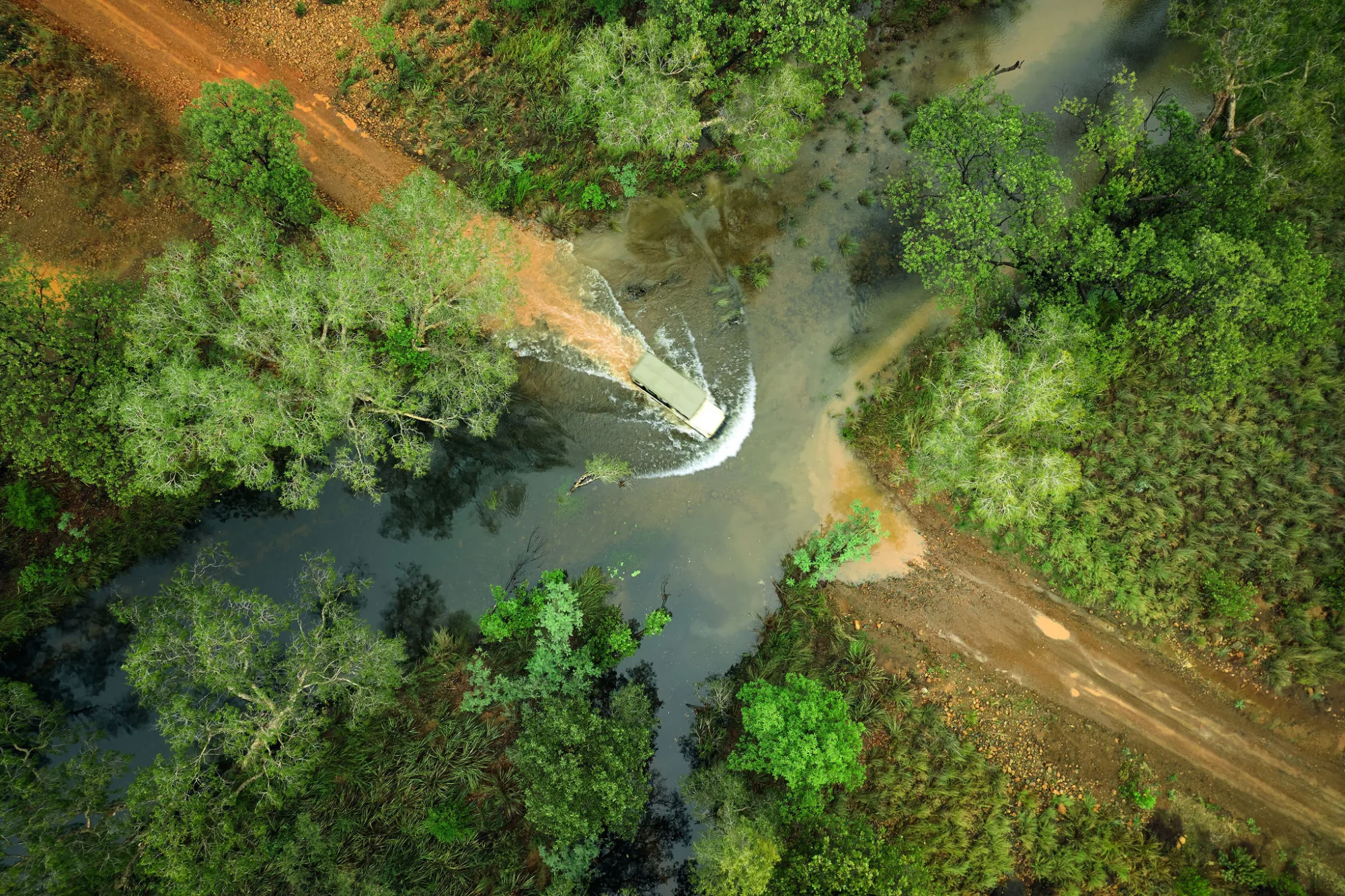
Never attempt to cross flooded bridges or causeways unless you are absolutely sure of the depth and road damage; most flash floods recede within 24 hours
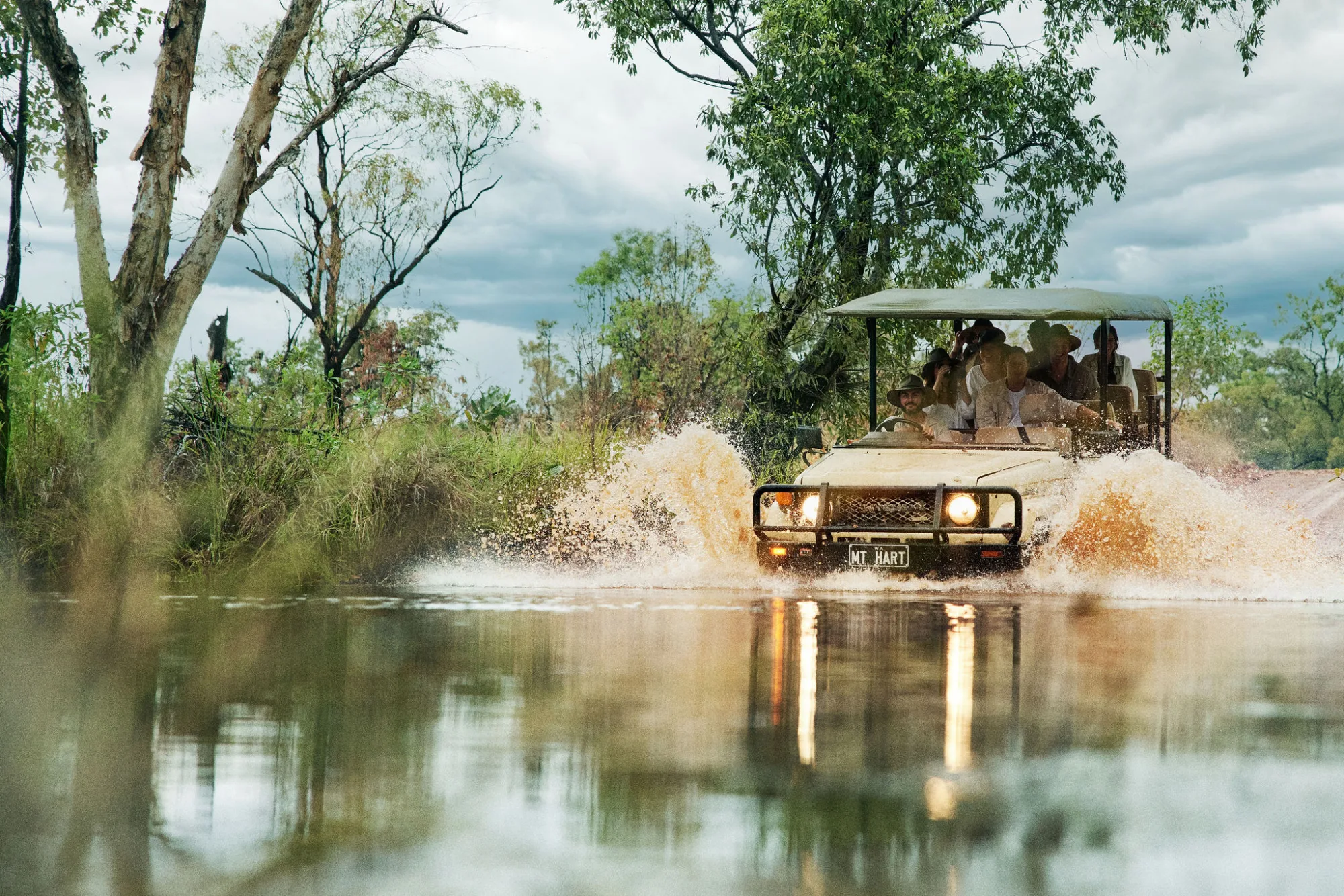
If Things Go Wrong
IN AN EMERGENCY
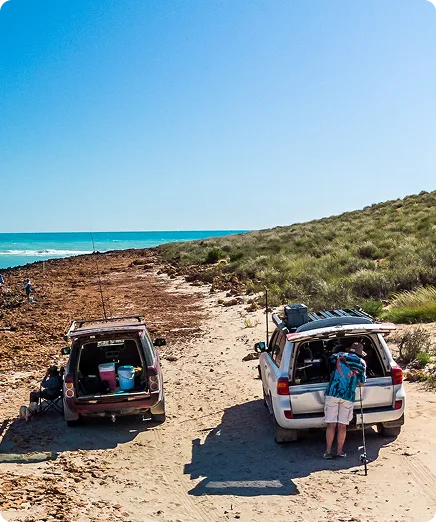
Stay With Your Vehicle
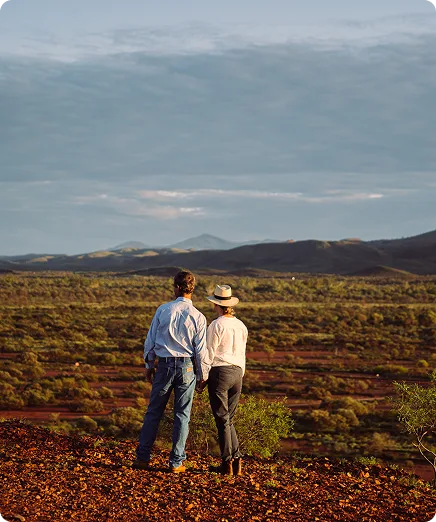
Seek Higher Ground